What is a VPN and What does it do

Introduction
The increasing number of people using the internet for their activities has created a greater need to safeguard both personal and organizational data than ever before. The online world has become more dangerous because of the increasing cyber threats that arise from people using the internet for their various activities. Online security purposes specifically target hackers and cybercriminals who continuously seek methods to obtain confidential data which makes online security essential for both individuals and businesses. Nowadays people widely adopt technologies that deliver better privacy and security protection solutions.
The Virtual Private Network system, which people call VPN, serves as an online safety enhancement technology. A VPN establishes a secure internet connection by constructing a protected network channel which encrypts all data during transmission. The VPN system establishes secure servers as data pathways instead of using public networks which allows unauthorized users to track data transmission through public networks.
What is a VPN?
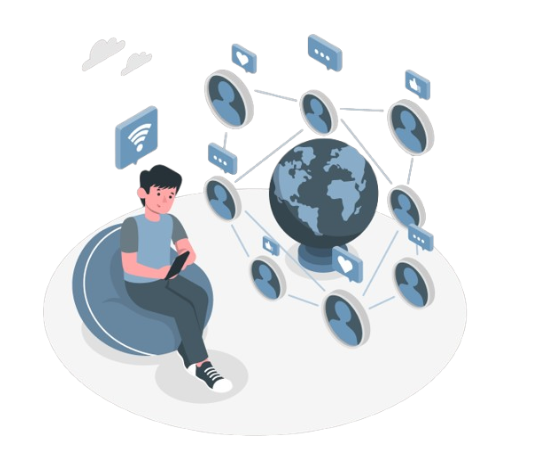
A Virtual Private Network provides users with a secure internet connection that uses encryption technology for their online activities. The system creates an internet connection which hides the user's actual IP address while directing their online activities through a VPN service's distant server. The procedure establishes user identity protection which prevents hackers and internet service providers and additional third parties from accessing users' online activities.

How VPN Works
A VPN establishes a protected connection that links the user's device with the internet. A user's data undergoes encryption after they establish a VPN connection which sends their data to the VPN server. The server forwards the request to the destination website or online service. The encryption process creates a barrier that prevents attackers from accessing or comprehending the transmitted data. VPNs implement multiple security protocols to protect their communication channels which also deliver high-speed dependable connections.
What Does a VPN Do?
The primary function of a VPN service works to safeguard Internet user privacy through the dual functions of IP address masking and Internet data encryption. The encryption process protects all sensitive data which includes passwords and personal messages and financial information from unauthorized access by cyber criminals. Public Wi-Fi networks which present security challenges become more secure through the use of VPN technology.
VPNs enable users to access restricted content by connecting to servers located in various countries which allows them to bypass geographical content restrictions. Businesses implement VPN technology to create secure remote access solutions which enable employees to access internal systems and company resources. The VPN system functions as a critical instrument which enables users to protect their online privacy while ensuring their Internet activities remain secure.

Advantages of Using a VPN
Using a VPN provides multiple benefits to users. The first benefit of a VPN service protects user privacy by stopping websites and advertisers and hackers from monitoring user behavior. The second benefit of the system protects users who access public networks by using encryption to secure their data transmissions. The third feature of the system enables users to access restricted content by using virtual private networks to bypass regional limitations. Businesses use virtual private networks to safeguard their sensitive information while enabling employees to work remotely.

Limitations of a VPN
VPNs show multiple advantages, but they operate with certain restrictions. The process of data passing through an extra server for encryption leads to internet speed reductions in certain VPN services. Free VPN services provide users with less secure protection because they either track user activities or offer weaker security. The ability to detect VPN traffic exists for certain websites and online platforms which can also block VPN traffic.