The Privacy Risks of Wearable Technology
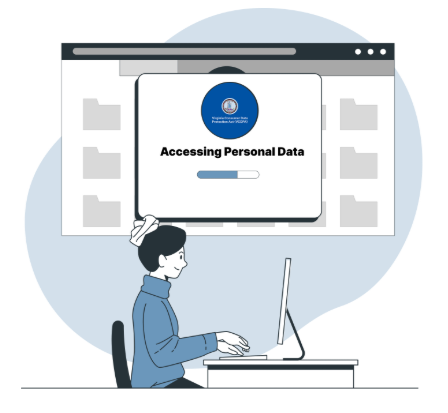
Wearable technology has become ubiquitous, meaning consumers have to make compromises about their personal, private data. The types of devices that have emerged in the last couple of decades that have personal data privacy ramifications include smart watches, smart glasses, and fitness trackers, etc.
These devices gather personal data about the user and analyze and synthesize it into useful information about the user’s health, connectivity, and daily convenience.

Why it matters
While the aforementioned personal health data and technology retailers use these devices to advertise a myriad of services to the user, the data collection from these devices is staggering. Daily activity, location updates, heart rate, sleep patterns, etc. all continuously being data mined to describe the user’s life and, by extension, their life.
All this data being collected and rapidly exchanged creates a lack of a secure internet infrastructure. The devices that wearables data mine are not secure. Hackers can access and misuse data, which can then be used to articulate a detailed profile about the user and compromise their safety and security.

Real-World Example
One real-world example of this alarming trend is fitness data tracking apps. These apps promote and measure user activity and health, but in the background exchange that personal information about the user’s daily activity. Inadvertently, they encourage risky behavior that can compromise the user’s health and integrity. Once this information is public and falls into the wrong hands, the user loses their privacy and the app compromises the safety of the user and the public.
How to Stay Safe
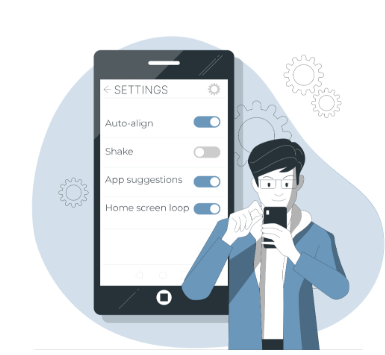
The users need to watch their permission choices because they should not use features which they do not need to use, beginning with permanent location access. The users can protect their personal information by keeping their devices and applications up to date, creating strong passwords, and activating security measures which include two-factor authentication. People need to select reliable brands which disclose their methods of handling user data.

Quick Takeaway
Wearable technology enables people to simplify their daily activities, but it requires them to accept privacy sacrifices. The way your data gets collected and shared and protected needs to be understood so you can make better decisions about your personal data.