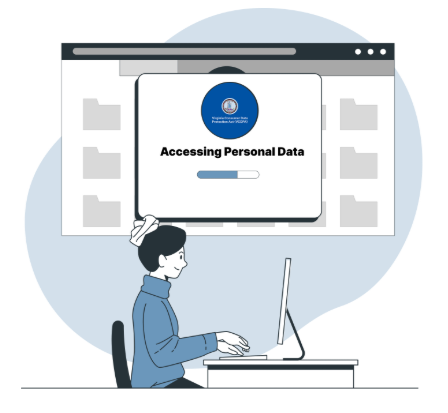
Understanding the Risks of Sharing Personal Data with AI Applications

Introduction
AI applications have become an integral part of our daily lives, from virtual assistants to recommendation systems. However, sharing personal data with AI-powered platforms comes with privacy risks, including data breaches, misuse of sensitive information, and unauthorized tracking. Understanding these risks and taking proactive steps to protect your data is essential in today's digital landscape.
Steps to Protect Your Personal Data from AI Applications
Read Privacy Policies Carefully
Review how an AI application collects, stores, and shares your data, and check for third-party data-sharing practices before granting access.

Limit Data Sharing Permissions
Only provide necessary information when using AI services, and disable unnecessary access.

Use Strong Authentication Methods
Enable multi-factor authentication (MFA) for added security, and prefer biometric authentication on trusted devices over passwords alone.
Avoid AI Applications with Poor Security Practices
Research an app’s security reputation before using it, and check if the AI platform has a history of data leaks or breaches.
Be Cautious with AI Chatbots & Virtual Assistants
Avoid sharing sensitive information (e.g., passwords, financial details), and assume that conversations with AI assistants may be stored or analyzed.

Regularly Delete Stored Data
Delete personal data stored in AI accounts or cloud services.
Use data deletion options provided by AI applications.